Originally published September 2009. Last reviewed and updated by the Precision Nutrition editorial team, April 2026.
What is energy balance?
“Energy balance” is the relationship between “energy in” (food calories taken into the body through food and drink) and “energy out” (calories being used in the body for our daily energy requirements).
This relationship, which is defined by the laws of thermodynamics, dictates whether weight is lost, gained, or remains the same.
According to these laws, energy is never really created and it’s never really destroyed. Rather, energy is transferred between entities.
We convert potential energy that’s stored within our food (measured in Calories or kcals) into three major “destinations”: work, heat and storage.
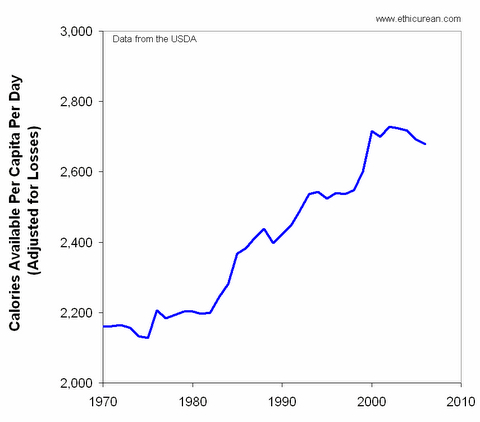
As the image below shows, the average number of available calories per person in the US is increasing. In general, there is more “energy in”.
When it comes to “energy out,” the body’s energy needs include the amount of energy required for maintenance at rest, physical activity and movement, and for food digestion, absorption, and transport.
We can estimate our energy needs by measuring the amount of oxygen we consume. We eat, we digest, we absorb, we circulate, we store, we transfer energy, we burn the energy, and then we repeat.
Save $200 on the industry's top nutrition certification
Help people improve their health and fitness—while making a great full-time or part-time living doing what you love.

Why energy balance is so important
There’s a lot more to energy balance than a change in body weight.
Energy balance also has to do with what’s going on in your cells. When you’re in a positive energy balance (more in than out) and when you’re in a negative energy balance (more out than in), everything from your metabolism, to your hormonal balance, to your mood is impacted.
Negative energy balance
A severe negative energy balance can lead to a decline in metabolism, decreases in bone mass, reductions in thyroid hormones, reductions in testosterone levels, an inability to concentrate, and a reduction in physical performance.
Yet a negative energy balance does lead to weight loss. The body detects an energy “deficit” and fat reserves are called upon to make up the difference.
The body doesn’t know the difference between a strict diet monitored by a physician at a Beverly Hills spa and simply running out of food in a poor African village. The body just knows it isn’t getting enough energy, so it will begin to slow down (or shut down) all “non-survival” functions.
Ask somebody who has been fasting for two weeks if they have a high sex drive. Nope.
Positive energy balance
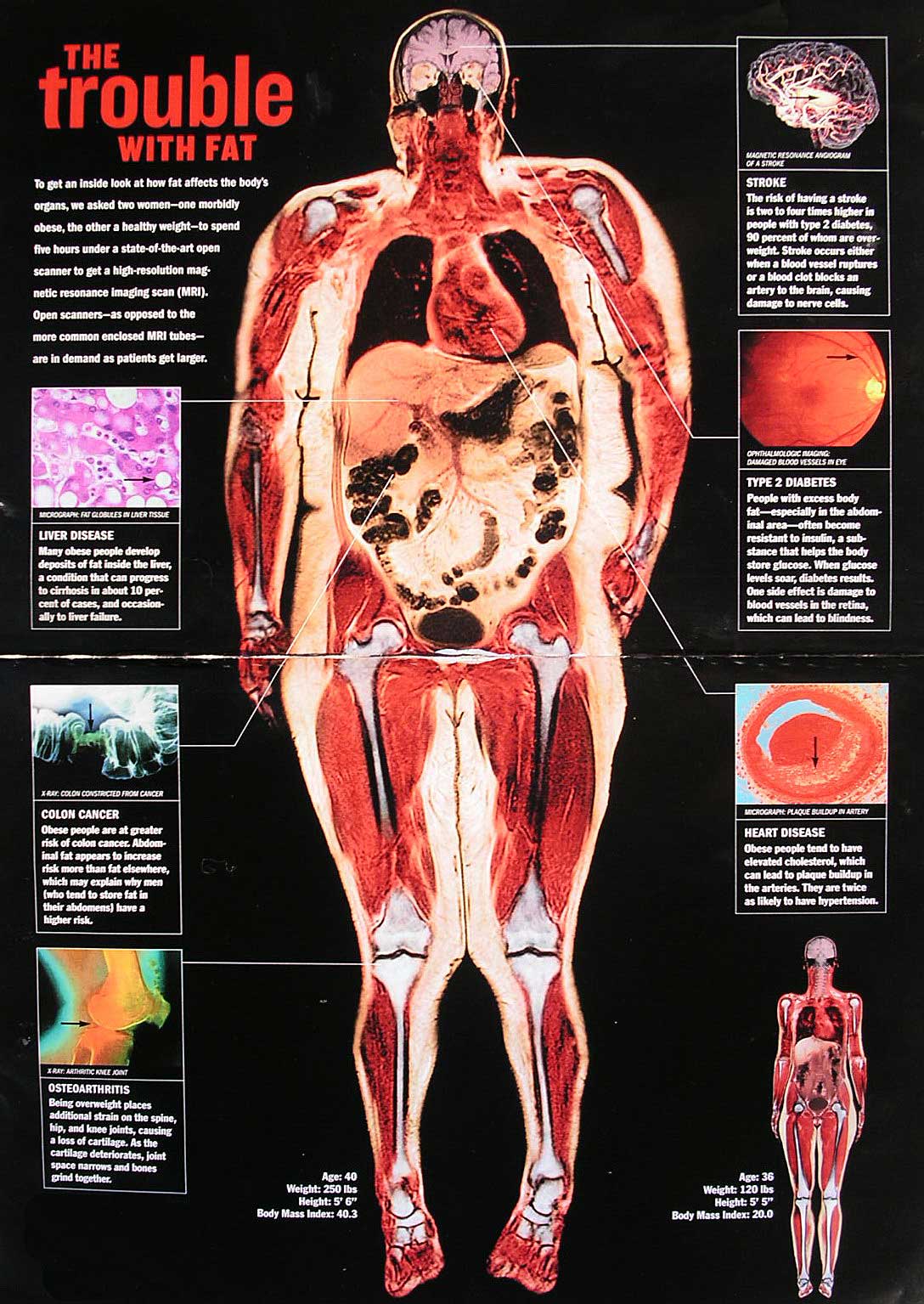
Overfeeding (and/or under exercising) has its own ramifications not only in terms of weight gain but in terms of health and cellular fitness.
With too much overfeeding, plaques can build up in arteries, the blood pressure and cholesterol in our body can increase, we can become insulin resistant and suffer from diabetes, we can increase our risk for certain cancers, and so on.
The relationship between the amount of Calories we eat in the diet and the amount of energy we use in the body determines our body weight and overall health.
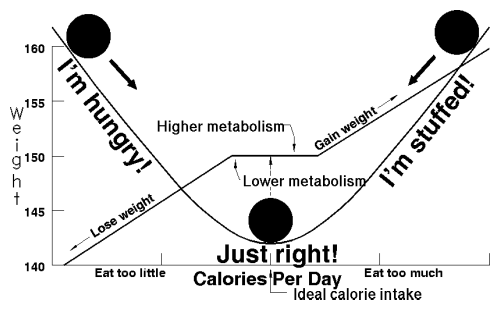
The body is highly adaptable to a variety of energy intakes/outputs. It must be adaptable in order to survive. Therefore, mechanisms are in place to ensure stable energy transfer regardless of whether energy imbalances exist.
What you should know about energy balance
The standard “textbook” view of energy balance doesn’t offer consistent explanations for body composition changes.
This is because calorie restriction or over-consumption without a “metabolic intervention” (such as exercise or drugs) is likely to produce equal losses in lean mass and fat mass with restriction or equal gains in lean mass and fat mass with overfeeding.
People will likely end up as smaller or larger versions of the same shape. They’ll lose muscle along with fat.
Both sides of the energy balance equation are complex and the interrelationships determine body composition and health outcomes.
Gone are the days of eating a 1500 calorie meal from McDonald’s and then “exercising” it off. Overall lifestyle habits help to properly control energy balance, and when properly controlled, excessive swings in either direction (positive or negative) are prevented and the body can either lose fat or gain lean mass in a healthy way.
Factors that affect energy in
- Calorie intake
- Energy digested and absorbed (90-99%)
Factors that affect energy out
Work
- Physical work (exercise and activity)
Heat
- Heat produced with physical work
- Heat produced via the thermic effect of food (TEF)
- Heat produced by resting metabolism
- Heat produced: adipose creation
- Heat produced: adipose thermoregulation
Storage
- Efficiency of work
- Efficiency of food metabolism
- Energy stored in adipose tissue
A closer look at the thermic effect of food
Of all the factors influencing “energy out,” the thermic effect of food (TEF) is probably the least understood—and also one of the most useful to know about.
TEF refers to the increase in energy expenditure that occurs after eating, as your body works to digest, absorb, and store nutrients. Overall, TEF accounts for roughly 10 percent of total daily energy expenditure in healthy adults eating a mixed diet—though this can vary meaningfully depending on what you eat, how old you are, and your metabolic health.
Protein is the most thermogenic macronutrient by a wide margin: it costs the body 20–30 percent of its energy content just to process it, compared to 5–10 percent for carbohydrates and 0–3 percent for fat. A 2024 meta-analysis of 52 studies confirmed that higher-protein meals produce meaningfully greater diet-induced thermogenesis than lower-protein meals, as well as greater total daily energy expenditure.
In practice, this is one of the more reliable ways to boost “energy out” through diet—which is part of why higher-protein eating tends to support fat loss even when total calories aren’t dramatically restricted.
A few nuances worth knowing:
The thermogenic effect of protein is an acute, per-meal response—not a permanent metabolic upregulation. Research shows that while a high-protein meal increases TEF in the moment, prolonged high-protein diets don’t appear to further elevate baseline metabolism. In other words, the benefit accrues meal by meal, not as a lasting change to your metabolic “set point.”
TEF also declines with age and is blunted in people with obesity and insulin resistance, which means the 10 percent figure is an average—not a universal truth. Older adults and those with significant metabolic dysfunction may have a meaningfully lower thermogenic response to eating, which is yet another reason why standard energy calculations can feel imprecise for these populations.
None of this changes the fundamental logic of energy balance. But it does help explain why food composition—particularly protein content—matters for the “energy out” side of the equation.
Why do people struggle to get negative or positive?
First and foremost, it’s uncomfortable.
But furthermore, an interesting phenomenon has developed over the past 25 years.
With our focus on specific nutrients, intense dietary counseling, repeated dieting and processed food consumption, body fat levels have also increased. While nutrition and health experts simply blame weight gain on calories, that doesn’t paint the whole picture.
Blaming weight gain on calories is like blaming wars on guns. The calories from food are not the sole cause of a skewed energy balance. It’s the entire lifestyle and environment.
While this may seem illogical, it demonstrates the importance of body awareness (hunger/satiety), avoidance of processed foods, regular physical activity and the persuasion of advertising.
Is calorie counting the solution? Probably not
Many people feel that if they just can add up calorie totals for the day, their energy imbalance problems will be solved.
While it can work for some and even make others feel proud of their spreadsheet skillz, by the time we add up calories for the day and factor in visual error, variations in soil quality, variations in growing methods, changes in packaging, and assimilation by the body – do we really know how many actual calories have been consumed? I sure don’t, and I’m a dietitian.
Our energy balance is regulated and monitored by a rich network of systems.
There’s a complex interplay between the hypothalamus, neural connections in the body and hormone receptors. Information is received about energy repletion/depletion, the diurnal clock, physical activity level, reproductive cycle, developmental state, and acute and chronic stressors.
Moreover, information about the acquisition, storage, and retrieval of sensory and internal food experiences are relayed. These signals can impact energy balance. Even the best spreadsheet skills will have trouble tracking that.
As a society, the more we focus on calories and dietary restraint, the more positive our energy balance seems to get.
So, what should we focus on?
How about considering ingredients rather than nutrition facts labels?
The nutrition facts label is pretty worthless until we know what we’re eating. 100 calories isn’t cool when it’s Chips Ahoy. So, if monitoring is your thing, then monitor food quality more that quantity.
Straight up overeating
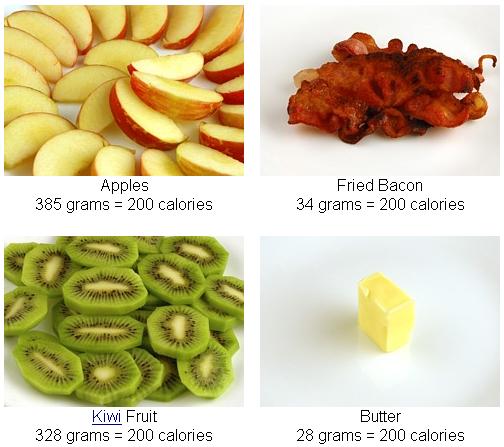
Don’t kid yourself: it’s still possible to overeat “quality” food. However, this overeating takes place usually when we’re “sneaking” calories in by choosing high calorie density foods.
- For example, by using 2 tbsp of olive oil to prepare our meals 3x per day, we can “sneak in” over 90g of fat and 810 calories into our diets. Olive oil is good for us. But adding 810 calories per day probably isn’t.
- Further, if we eat 4 handfuls of mixed nuts per day, which may be an extra 300-500 calories, depending on the size of your hands. Again, raw nuts are awesome for us. However, eating too many isn’t.
- If we go with 4 whole eggs for breakfast, instead of 3 egg whites and 1 whole egg, that’s an extra 18g of fat and 162 calories.
- If we choose lean protein vs. extra lean, we may add an additional few hundred calories of fat to our menu each day without even knowing it.
As you can see from the above, in most cases, we wouldn’t really be able to tell the difference between our meals with and without the olive oil, with extra lean vs. lean, and so on.
In essence, we’re sneaking the extra calories in without being any more full, and/or without changing anything else about our day. And that’s when it’s possible to over-eat on nutritious foods.
So, although we discourage counting calories, grams, etc. we do suggest watching out for calorie sneaking.
How to get into a negative or positive energy balance
While necessary for fat loss, a negative energy balance can be uncomfortable. Being in a negative energy state can result in hunger, agitation, and even slight sleep problems.
On the flip side, while necessary for muscle gain, a positive energy balance can be uncomfortable as well. Both extremes cause the body to get out of, well, balance.
Accomplishing a negative energy balance can be done in different ways.
Increasing the amount of weekly physical activity you do is one of the best options.
How to create a negative energy balance
- Build muscle with weight training (about 5 hours of total exercise each week) and proper nutrition
- Create muscle damage with intense weight training
- Maximize post workout energy expenditure by using high intensity exercise
- Regular program change to force new stimuli and adaptations
- Boost non-exercise physical activity
- Increase thermic effect of feeding by increasing unprocessed food intake
- Eat at regular intervals throughout the day
- Eat lean protein at regular intervals throughout the day
- Eat vegetables and/or fruit at regular intervals
- Incorporate omega-3 fats
- Incorporate multiple exercise modes
- Stay involved with “life” outside of exercise and nutrition
- Sleep 7-9 hours each night
- Don’t engage in extreme diets for risk of long-term overcompensation
- Stay consistent with habits
- Ignore food advertising
How to create a positive energy balance
- Build muscle with weight training (at least 4 hours of intense exercise per week) and proper nutrition
- Create muscle damage with intense weight training
- Minimize other forms of exercise (other than high intensity and resistance training)
- Limit excessive non-exercise physical activity
- Try consuming more shakes and liquids with calories
- Build in energy dense foods that don’t cause rapid satiety (nut butters, nuts, trail mix, oils, etc.)
- Eat at regular intervals throughout the day
- Incorporate additional omega-3 fats
- Take advantage of peri-workout nutrition, with plenty of nutrients consumed before, during, and after exercise
- Sleep 7-9 hours per night
- Stay consistent with habits
Remember that a skewed energy balance is not something that needs to be achieved from now until the end of time. Once in “maintenance mode,” constant energy balance excursions are unnecessary.
GLP-1 medications: a new variable in energy balance
Over the past several years, a new class of medications has entered the energy balance conversation: GLP-1 receptor agonists (like Ozempic, Wegovy, Mounjaro, and Zepbound).
These medications don’t break the laws of thermodynamics. But they change the energy balance equation in ways that are unique and worth understanding.
The primary mechanism is on the “energy in” side. GLP-1 medications act on appetite and satiety pathways in the brain and gut, slowing gastric emptying and dramatically reducing hunger and food noise. The result is that people spontaneously eat significantly less—studies show total caloric intake typically drops by 16 to 39 percent compared to before starting the medication. Weight loss follows directly from that shift in energy balance.
But here’s where it gets interesting from an energy balance perspective.
These medications also appear to have modest effects on “energy out.” Research suggests GLP-1 receptor agonists may promote thermogenesis—particularly by stimulating brown adipose tissue activity via hypothalamic pathways—which could contribute a small additional bump to energy expenditure beyond the reduction in intake. This effect isn’t huge, and the primary driver of weight loss remains reduced caloric intake. But it does mean GLP-1 medications influence both sides of the energy balance equation, not just one.
There’s also a complication worth knowing about.
As with any significant caloric restriction, the body responds to the large energy deficit created by these medications with adaptive thermogenesis—a process where resting metabolic rate drops beyond what would be expected from weight loss alone, as the body works to conserve energy. Research confirms this occurs with GLP-1 therapy, and that it can persist after stopping the medication, contributing to the well-documented pattern of weight regain when treatment ends. GLP-1 medications are powerful at shifting “energy in,” but they don’t prevent the body from adapting to lower energy availability over time.
For coaches, the practical takeaway is this: The same energy balance principles that apply everywhere else apply here too. The medication shifts the equation dramatically on the intake side. Protecting “energy out”—through resistance training that preserves lean mass and keeps metabolic rate from dropping too far—becomes more important, not less. And understanding that weight regain after stopping these medications reflects predictable energy balance physiology, not personal failure, helps clients approach the long term with realistic expectations.
Extra credit
Micronutrients act as cofactors and/or coenzymes in the liberation of energy from food. A limited intake can disturb energy balance and can lead to numerous side effects.
Some factors that have been associated with attaining a negative energy balance include:
- Regular nut consumption
- Meal replacement supplements/super shakes
- Green tea
- Low energy density foods (veggies, fruits, lean proteins, whole grains, etc.)
- Dietary protein
- Avoidance of refined carbohydrates
- Adequate hydration
- Dietary fiber
- Fruits
- Vegetables
- Regular exercise
- Adequate sleep
- Positive social support
References
Click here to view the information sources referenced in this article.
If you’re a coach, or you want to be…
You can help people build sustainable nutrition and lifestyle habits that will significantly improve their physical and mental health—while you make a great living doing what you love. We'll show you how.
If you’d like to learn more, consider the PN Level 1 Nutrition Coaching Certification. (You can enroll now at a big discount.)
Share